
Air quality in Brisbane

Link copied

Use the real-time air quality index to find current information about air quality across the city. Understand how we monitor Brisbane’s air quality and how you can reduce air pollution.

About the air quality index

Council's clean air index is an air quality indicator based on the measurements of monitoring stations in Brisbane.

You can use the index to find real-time information about air quality across the city.

An air quality index (AQI) is a scale that shows how clean or polluted the air is. It's used to relate pollution levels to health effects. 

The main pollutants in Brisbane that affect health are:

  • particles
  • nitrogen oxides
  • ozone.
information outline

Note

The AQI shows:

  • an overall clean air rating for Brisbane
  • current individual ratings for each of the 9 monitoring stations.

These are based on the highest pollutant concentration measured over the last hour, and for some pollutants reflect longer averaging periods, such as a 24-hour period for PM10. 

The air quality index (AQI) is calculated by comparing measured pollution concentrations to Queensland's ambient air quality objectives using air quality categories. These categories are detailed by the Department of the Environment, Tourism, Science and Innovation (DETSI).

The index is updated every hour. Full results for Queensland are presented on the DETSI website.

  • Smoke sensors indicate any elevated fine particle levels during smoke events (whether from wildfires or prescribed burns).
  • Health action levels have been developed by Queensland Health to support and inform the community on actions that they can take in a smoke event. 

Real-time air quality monitoring stations

information outline

About the data

  • ppm: parts per million
  • µg/m³: micrograms per cubic metre
  • 'Not available' status:
    • If there is no data measured for a parameter, or data could not be retrieved from the monitoring station at this hour, a 'not available' status is shown. A 'not available' message could also indicate that measurements are temporarily unavailable due to equipment servicing or failure. See network status.

Data source: Queensland Department of Environment, Tourism, Science and Innovation (DETSI).

Why air quality is important

Air quality is important because it directly impacts the health of humans, plants and animals. Did you know we need approximately 13,000 litres of clean air per day?

Air pollutants affect everybody, particularly children, older people, pregnant women and those with cardiovascular or respiratory conditions.

Studies show more people pass away each year from pollution-related illnesses than from car accidents. Air pollution can cause a range of health effects, including:

  • irritated eyes, nose, throat and lungs
  • more frequent or severe asthma attacks
  • worsened symptoms of respiratory conditions, like emphysema and bronchitis
  • aggravated symptoms of cardiovascular conditions, like angina or heart attacks
  • increased risk of stroke
  • increased risk of harm to pregnant women and unborn babies
  • premature death in sensitive people
  • cancer.

Air quality challenges for Brisbane

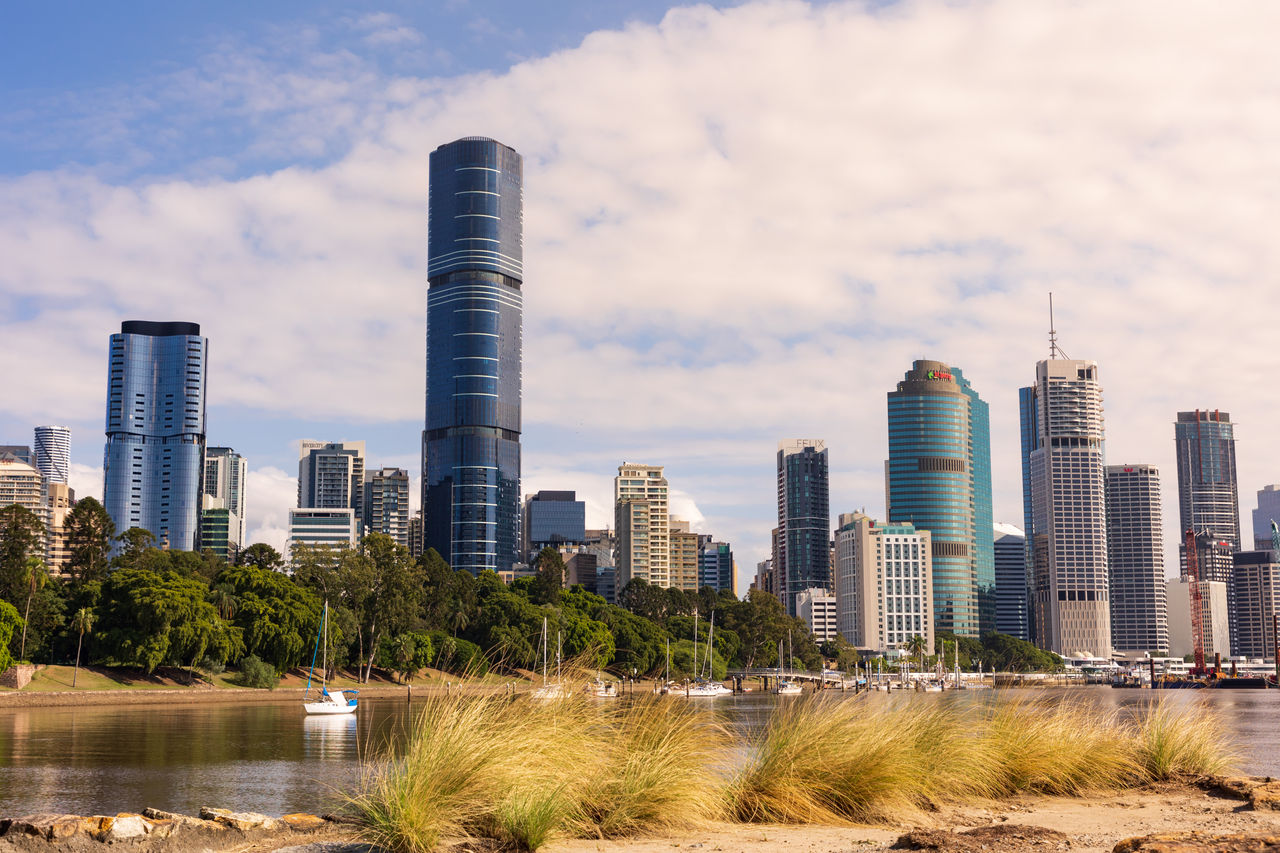
Brisbane is situated in a natural basin which is created by surrounding mountains and islands. This acts to contain and recirculate air pollutants, which prevents dispersion and can lead to elevated pollution levels until stronger winds clear the air.

While most of Brisbane generally has good air quality, locations close to busy roads and some industries don't always meet air quality standards. Any burning has a large effect on air quality and, in the case of bushfires or dust storms, can affect the whole city, even if it originates outside our local government area.  High pollution days may affect environmental amenity, with hazy skies and reduced visibility.

Our subtropical climate means that hot sunny days create the perfect conditions for the formation of ozone, which is a major air pollutant. Even though Brisbane’s ozone levels are not typically high, we need to stay vigilant.
The main pollutants of concern for Brisbane are:

  • nitrogen dioxide
  • particulate matter
  • ozone
  • volatile organic compounds.

These pollutants mainly come from:

  • motor vehicles
  • bushfires and planned burning
  • domestic burning such as wood heaters and fire pits
  • odour and smoke from commercial kitchens
  • industrial emissions, for example paint fumes, chemical odours or concrete dust.

For more detailed information about Brisbane’s air quality trends, email Council.

How you can help keep our air clean

Clean air is crucial to our healthy, subtropical, outdoor way of life. We can all play a part in maintaining clean air. 

You can:

  • make clean travel choices such as car pooling, using public transport and cycling
  • use cleaner vehicles such as electric cars or smaller, efficient models
  • drive smarter:
    • accelerate and brake gently
    • avoid unnecessary idling
    • keep your tyres inflated to the correct pressure for your vehicle
    • keep your vehicle well-serviced, including the emissions control equipment
    • remove unnecessary weight from your vehicle
    • combine short trips into one longer round trip. This will help the engine to be warmed up and the emission control equipment to be working properly.
  • replace petrol-fuelled garden equipment with battery-powered or electrical units
  • choose clean energy and clean home heating, such as reverse-cycle air conditioning
  • minimise smoke impacts from backyard fire pits and wood heaters or choose non-smoky alternatives. 

Air quality inside your home can be heavily influenced by your own actions. Protect your home’s indoor air quality by:

  • having good ventilation, particularly when cooking
  • choosing low toxicity or solvent-free products and air fresheners (e.g. vinegar and bicarbonate of soda for cleaning and natural oils as air fresheners)
  • selecting building materials, floor coverings and furnishings with low-formaldehyde components
  • using low toxic interior paints and finishes (e.g. low or zero volatile organic compounds)
  • avoiding smoking or vaping in the house
  • preparing your home for bushfire season to minimise smoke exposure
  • ensuring gas heaters and stoves are properly flued to the outside. You can also consider changing to an electric cooktop and heater.

Frequently asked questions

Fire pits, braziers and wood heaters can cause smoke and odour nuisances to neighbouring properties if not managed properly.

Find out how to handle air and odour issues within your community.

Industrial activities should not be causing smoke, dust or odour nuisances in residential areas.

Learn how to handle air and odour issues within your community.

DRAFT: Page in development